An offer to see your new website before paying can be appealing. For a business owner balancing time, budget, and an important investment, a preview offers something tangible to consider.
But a polished first impression tells only part of the story. Before choosing a web designer, it helps to understand what is included, what you will own, and how the relationship will work after launch.
A “build-first, pay-later” offer is not inherently a problem. Like a traditional deposit-based project or a monthly website plan, its value depends on the quality of the work and the clarity of the agreement. Here are the questions worth asking.
1. What does the initial preview actually include?
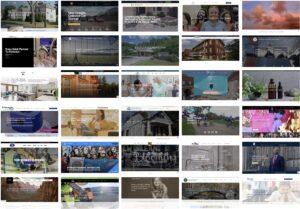
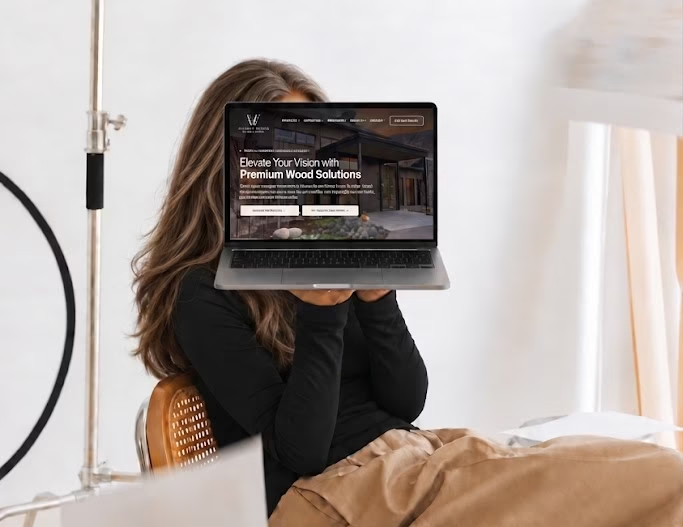
A visual concept can help you assess a designer’s aesthetic direction. It may not yet include the work that makes a website effective: thoughtful content, clear navigation, mobile usability, accessibility considerations, search optimization, and reliable inquiry forms.
Ask whether you are reviewing a homepage concept, a working prototype, or a complete website. Find out which elements are tailored to your business and what additional discovery and testing will happen before launch.
Templates and established design frameworks can be sensible starting points. The important question is how well the finished website supports your brand, your customers, and your goals. A preview alone cannot establish search performance or lead-generation results.
2. What is the full investment over time?
Look beyond the initial design fee. Request a written breakdown of setup costs, hosting, maintenance, software licenses, content updates, and any required ongoing services. Ask about minimum terms, renewal pricing, cancellation notice, and transfer fees.
Monthly plans can offer real convenience and support. Evaluate them by what they deliver and whether the commitments suit your business. Knowing the total cost over one to three years makes different proposals easier to compare.
3. What will you own, and what can you move?
“Your website” can mean different things in different agreements. Clarify ownership of your domain, supplied content, commissioned design work, website files, and database, as well as the access you receive after payment.
Also ask which elements are licensed rather than transferred. Fonts, stock photography, themes, plugins, and platform features may have separate terms or renewal requirements. A promise of complete ownership should explain those distinctions.
If flexibility matters to you, ask whether the finished site can move to another hosting provider, what the transfer includes, and what help or fees would apply. Some hosted platforms have export limitations; understanding them before committing helps you choose intentionally.
4. Can you verify the work and the people behind it?
Ask for a few live client websites relevant to your project and confirm the designer’s role in each. Where appropriate, request references and ask about communication, timelines, support, and the handover experience.
A consistent business identity, clear contact information, and a verifiable portfolio help you assess a provider. Public reviews can add useful context, but a small review footprint alone does not establish whether a studio is trustworthy. Consider the evidence as a whole.
5. How will access and launch be handled?
Keep your domain registration and primary business accounts under your control. A preliminary concept can usually be prepared from approved copy, logos, and images without access to your existing website or business email.
Once you have selected a provider and agreed on the scope, provide the access the work requires through separate user accounts or delegated permissions where available. Avoid sharing your primary passwords, use multifactor authentication, and review access when the project ends.
For a redesign, agree on backups, approval steps, and a launch plan that considers existing URLs, search visibility, forms, and email continuity. Confirm who will test the site and resolve any issues after it goes live.
A practical checklist before you approve
- A written scope describing pages, features, content responsibilities, revisions, and timelines.
- A clear distinction between the free preview and the finished deliverable.
- An itemized price covering initial and recurring costs.
- Documented ownership, licensing, access, and migration terms.
- A verifiable portfolio and relevant client references.
- A defined process for approvals, launch, and ongoing support.
Choose clarity, craftsmanship, and a good working relationship
The right web design partner should make the investment easier to understand. Whether a project begins with a paid discovery phase, an upfront deposit, or a complimentary concept, you should feel comfortable asking questions and receiving straightforward answers.
A successful website brings together design, useful content, sound technical foundations, and dependable support. Evaluate the complete relationship with the same care you give the first impression.
At NOLA Media & Design, we believe thoughtful design starts with understanding your business and setting clear expectations. Explore our website design and redesign services, or tell us about your project for personal attention and honest guidance.
Related Posts